
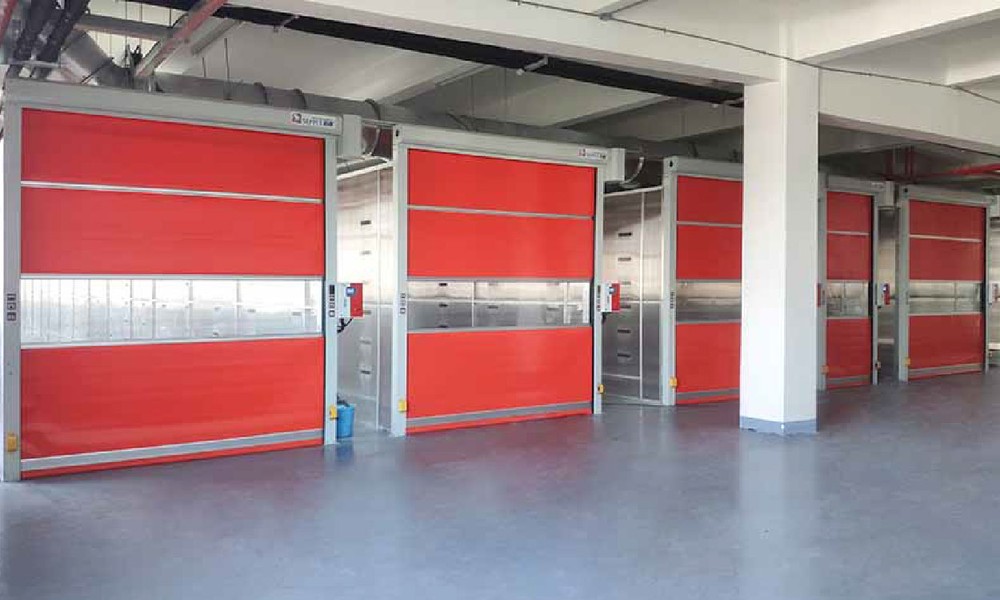
Practical Tips for Installing and Maintaining Soft High Speed Doors
Soft high speed doors have become a staple in modern industrial and commercial environments, offering rapid access, strong environmental separation, and safety features that keep operations running smoothly. Whether you manage a logistics center, a food processing plant, or a retail warehouse, understanding how to properly install and maintain these doors can make a striking difference in daily efficiency.
Understanding Soft High Speed Doors
A soft high speed door isn’t just a barrier; it’s a solution designed for heavy traffic and challenging settings. These flexible fabric doors open and close at impressive speeds, reducing air exchange and minimizing the intrusion of dust, dirt, and pests. The result? Less energy loss, better climate control, and a safer workspace.
Key Features and Benefits
– Rapid Operation: Opening speeds can reach over 2 meters per second, which is vital for workflow and temperature stability.
– High Impact Resistance: Modern designs “give” under impact and can often be reset without tools, which reduces downtime.
– Sealing: Engineered to be airtight on all sides, these doors help keep contaminants out and conditioned air in.
– Versatility: Available with transparent vision panels, custom fabrics, and safety sensors to match any need.
Common Applications Across Industries
Soft high speed doors excel in environments like distribution centers, food and beverage facilities, auto parts warehouses, and even parking garages. They’re essential wherever cleanliness, efficiency, and security are priorities.
Comparing Soft High Speed Doors with Other Door Types
How do soft high speed doors stack up against traditional industrial doors or rigid rapid doors?
| Door Type | Speed | Impact Resistance | Maintenance Level | Energy Efficiency |
|————————|—————–|——————|——————|——————|
| Soft High Speed Doors | Very High | Excellent | Low | High |
| Sectional Doors | Low | Good | Moderate | Moderate |
| Rigid Rapid Doors | High | Fair | Moderate | High |
| Rolling Steel Doors | Low | Excellent | High | Low |
Planning for Installation
Getting the installation right is the first step to unlocking the full benefits of soft high speed doors.
Assessing Site Requirements and Environmental Conditions
Start by measuring the intended opening and evaluating factors like ceiling height, available side space, humidity, and temperature variations. Some environments may require doors that withstand extreme cold or aggressive cleaning protocols.
Choosing the Right Door Model for Your Needs
Consult with experts and review specifications to ensure the selected model suits your operational demands. For example, portes rapides d’entrepôt Dor Docteur offers solutions tailored for different industries, including options for impact resistance and automatic reinsertion.
Preparing the Installation Site: Essential Steps
Clear the area around the door opening, ensure structural supports are sound, and verify that sufficient power supply and wiring pathways are in place. Skipping these basics often leads to delays during installation.
Step-by-Step Installation Process
A smooth installation process is crucial for optimal performance and safety.
Tools and Materials Needed
Prepare the following:
– Level
– Power drill
– Wrenches and screwdrivers
– Anchors and mounting hardware
– Appropriate electrical cables
Mounting the Door Frame and Components
Secure the frame to the wall, making sure it is perfectly plumb and level. Attach the side guides, roller assembly, and curtain carefully, following the manufacturer’s sequence to avoid misalignment.
Electrical and Control System Setup
Connect the control box and ensure safe, code-compliant wiring. Program the door’s opening and closing speeds, and connect any safety sensors or remote controls as required.
Testing and Initial Adjustments
Run several open-and-close cycles, checking for smooth movement, proper sealing, and sensor response. Make slight tension or alignment adjustments as needed.
Ensuring Optimal Performance Through Maintenance
Routine care pays off with fewer interruptions and extended door life.
Routine Inspection Checklist
– Inspect for wear or damage on the curtain and guides.
– Test all safety functions, including sensors and auto-reversing.
– Check fasteners and electrical connections.
Cleaning Procedures for Fabric and Mechanical Parts
Wipe down the curtain with a mild detergent and water. Clean guides to prevent debris buildup. Avoid harsh chemicals that might degrade the fabric.
Troubleshooting Common Issues
If the door doesn’t open fully or responds slowly, check for obstructions or worn parts. Unusual noises often signal the need for lubrication or tension adjustment. For persistent faults, consult your supplier.
When and How to Schedule Professional Servicing
Plan for a professional inspection annually or whenever repairs exceed minor adjustments. Many suppliers, like Dor Docteur, offer scheduled service to catch issues early.
Enhancing Energy Efficiency and Safety
Proper sealing and integrated controls do more than just keep drafts at bay.
Sealing Techniques to Prevent Air and Contaminant Leakage
Ensure all edge seals are intact, and maintain brush or rubber gaskets. For critical spaces, consider double-curtain models.
Safety Features to Protect Personnel and Equipment
Modern doors come with light curtains, pressure sensors, and soft-edge designs that stop or reverse motion instantly on contact.
Integrating Door Operation with Facility Management Systems
Tie the door’s controls to your building’s workflow, automated open/close cycles, access control, or even integration with HVAC.
Upgrading and Repairing Soft High Speed Doors
Even the best doors benefit from periodic upgrades.
Signs That Indicate the Need for Repairs or Replacement
Persistent misalignment, slow operation, or visible curtain damage are clear signals. Don’t delay repairs that impact safety or productivity.
Available Upgrade Options for Improved Durability and Speed
Ask about reinforced curtains, smarter control panels, or even advanced safety sensors to future-proof your setup.
Working with Trusted Service Providers for Repairs and Maintenance
Choose a specialist with experience in high-speed systems for installation, repairs, or upgrades. Reliable partners can reduce downtime and extend the life of your doors.
With the right approach, soft high speed doors deliver years of reliable service, safeguarding your facility’s energy efficiency, safety, and productivity.
