
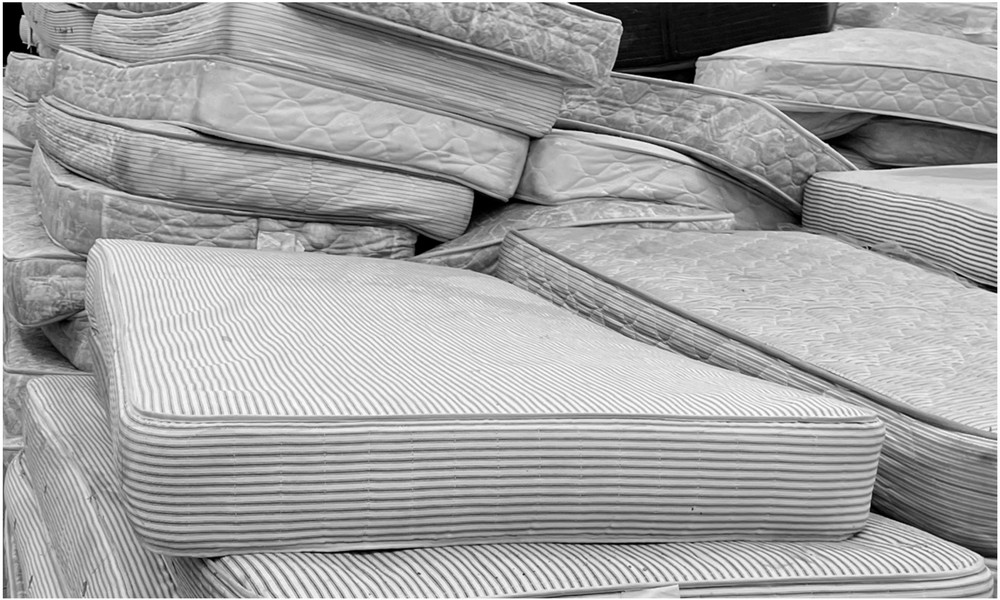
Mattresses are built to give comfort for years, but when they reach the end of their life, they become one of the bulkiest and most stubborn types of waste. With more cities running out of landfill space and environmental concerns mounting, it is time to challenge the old myths about mattress recycling. The facts reveal a different story, one of innovation, social value, and real ecological impact.
Debunking the Myth: Mattress Recycling Is Too Complex and Costly
Recycling a mattress may sound like a logistical nightmare, but the technology behind it has advanced rapidly. Specialized machines now allow large-scale dismantling of mattresses, separating foam, fabric, metal, and wood efficiently. These systems handle hundreds of thousands of units each year, driving down costs and making recycling a realistic option not just for individuals, but for entire municipalities.
Why Has Mattress Recycling Technology Evolved?
Years ago, manually disassembling a mattress was labor-intensive and expensive. Today, mechanized solutions break down materials at a fraction of the time and cost. Facilities like Recyc-Matelas demonstrate that recycling can be both effective and scalable when the right equipment and processes are in place.
How Do Large-Scale Operations Make Recycling Economical?
Volume is the secret. By handling tens of thousands of units annually, the fixed costs of equipment and labor are spread over many mattresses. This economy of scale has made mattress recycling not only viable but also competitive with landfill disposal, especially in urban settings where space is limited.
Case Study: Recyc-Matelas’ Efficient Processing Model
Recyc-Matelas is a global leader in the industry, with six facilities across Canada and Europe. Their unique approach has enabled them to recycle over 400,000 mattresses per year in Quebec and Ontario, and about a million annually in France. The company’s technology is sophisticated enough to meet the demands of large cities, proving that complexity and cost are no longer obstacles.
Myth 2: Old Mattresses Are Not That Harmful to the Environment
It is easy to underestimate the environmental consequences of throwing away a mattress. Many believe it is harmless junk, but the reality paints a stark picture.
The Long Lifespan of Mattress Waste in Landfills
A single mattress can take up to 100 years to decompose in a landfill. In that time, materials like foam, steel, and textiles not only consume valuable landfill space, but can also leach chemicals into soil and groundwater.
Environmental Consequences of Mattress Disposal
When landfills reach capacity, the pressure mounts on municipalities to find new sites, expanding the environmental footprint. Additionally, incineration, sometimes used as an alternative, releases pollutants and greenhouse gases.
Real Impact: Why 100 Years to Decompose Matters
Imagine millions of mattresses, each lasting a century or more in the ground. This backlog creates a legacy of pollution and inefficiency that future generations must grapple with. Efficient recycling eliminates this burden while reducing the need for virgin materials.
Myth 3: Recycling Mattresses Doesn’t Really Save Resources
Some skeptics question whether mattress recycling genuinely conserves resources. The answer becomes clear when you examine what is inside each mattress.
Breakdown of Mattress Components and Their Recyclability
A single mattress contains steel springs, polyurethane foam, cotton, felt, and wood. Nearly all of these elements can be separated and reused in new products, ranging from insulation to carpeting and metal parts.
The Circular Economy Benefits of Mattress Material Recovery
Recycling keeps valuable materials in circulation. Instead of extracting fresh resources, manufacturers draw from streams of reclaimed steel, foam, and fiber, cutting down on energy consumption and pollution.
Quantifying Resource Conservation Through Recycling
With over a million mattresses recycled yearly in France alone, the savings in materials and landfill space are substantial. Each recycled unit is one less burden on the environment and on community budgets.
Myth 4: Mattress Recycling Doesn’t Benefit Communities
Recycling is not just about materials, it is about people too.
Social Inclusion Through Employment in Recycling Programs
Recyc-Matelas stands out for its commitment to social impact. The company offers full-time jobs to individuals with intellectual disabilities, integrating them into the workforce and granting a sense of belonging.
How Does Recycling Create Sustainable Jobs for Vulnerable Populations?
By turning waste management into a steady source of employment, mattress recycling programs become engines of social stability, supporting those who are often excluded from traditional job markets.
The Broader Societal Impact Beyond Environmental Gains
When communities see concrete benefits, a cleaner environment, reduced landfill use, and improved lives for vulnerable citizens, the case for mattress recycling grows stronger.
Myth 5: There Are No Scalable Solutions for Urban Mattress Waste
Large cities face mountains of discarded mattresses. Some believe there is no practical way to deal with this volume, but reality says otherwise.
Overcoming Volume Challenges in Large Municipalities
Through advanced sorting lines and high-capacity machinery, modern recyclers can process hundreds of thousands of mattresses each year, directly addressing the urban waste challenge.
Recyc-Matelas’ Unique Technology That Handles Massive Quantities
As the only company able to meet the needs of major cities, Recyc-Matelas leverages proprietary technology for high-throughput dismantling and material recovery.
Examples from Quebec, Ontario, France, and Belgium
With operations across multiple continents, Recyc-Matelas has proven its model works regardless of local policy or population density.
Myth 6: Mattress Recycling Is Not Widespread or Supported by Policy
A lack of comprehensive government policy in Canada and the United States leaves many to believe mattress recycling is niche. However, private initiatives are filling the gap, setting the standard for what is possible.
Current Policy Gaps in Canada and the U.S.
There is currently no formal ecological mattress management policy in Canada, and the U.S. lags as well. This void underscores the importance of grassroots innovation.
How Private Initiatives Lead the Way Without Government Mandates
Companies like Recyc-Matelas are not waiting for regulation; they are building a track record of success that policymakers cannot ignore.
The Growing Recognition and Expansion of Mattress Recycling Programs
As recycling programs demonstrate their value, adoption is spreading, first in cities, then across provinces and countries.
Turning Myth Into Reality: Practical Steps for Consumers and Municipalities
How can individuals and local governments take actionable steps? For households, it begins with seeking out dedicated mattress recyclers instead of sending old beds to landfill. Municipalities can partner with specialized programs and invest in local infrastructure for mattress collection and processing. For more details and resources, the recyclage matelas initiative is an excellent starting point.
The future of waste management is circular, inclusive, and sustainable. Mattress recycling is not just possible, it is essential, and it is happening now.
